For authors · novelists · storytellers
You wrote the story.
Now put it on screen.
Learn how to turn your novel into a cinematic AI book trailer — with your characters, your world, and your story.
Solo Director gives authors a step-by-step filmmaking workflow for transforming written stories into cinematic visuals and finished promotional videos without hiring a traditional film crew.
Solo Director — $197 once, or start today for $75.
Plantation owner Silas Finch follows a wax-sealed invitation to the legendary Crowe estate, expecting an easy fortune.
Inside the abandoned mansion, he discovers that the house has kept an account of every innocent soul taken there — and its Master's Chair is ready to balance the scale.
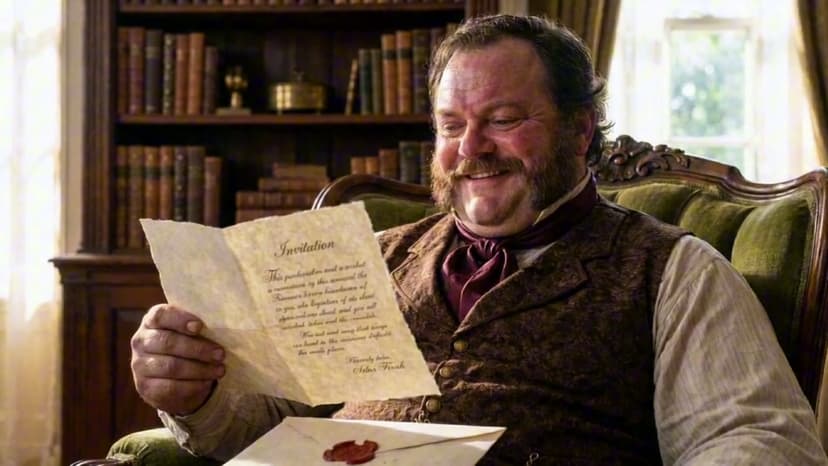 The same scene, on screen
You've already done the hardest part
You've already done
the hardest part.
You created the world.You know what your characters look like.You know how the streets feel at night.You know the house where everything happened.You know the villain.You know the moment readers never forget.
For years, bringing those things to the screen meant hiring actors, locations, cameras, lighting crews, editors, visual-effects artists, and an entire production team.
That barrier is changing. AI filmmaking gives independent authors a new way to visualize the worlds they've already created.
But generating images isn't enough. You need to know how to direct them.
Your book is already a movie in your head.
Let's get it out.
The transformation
From page to screen.
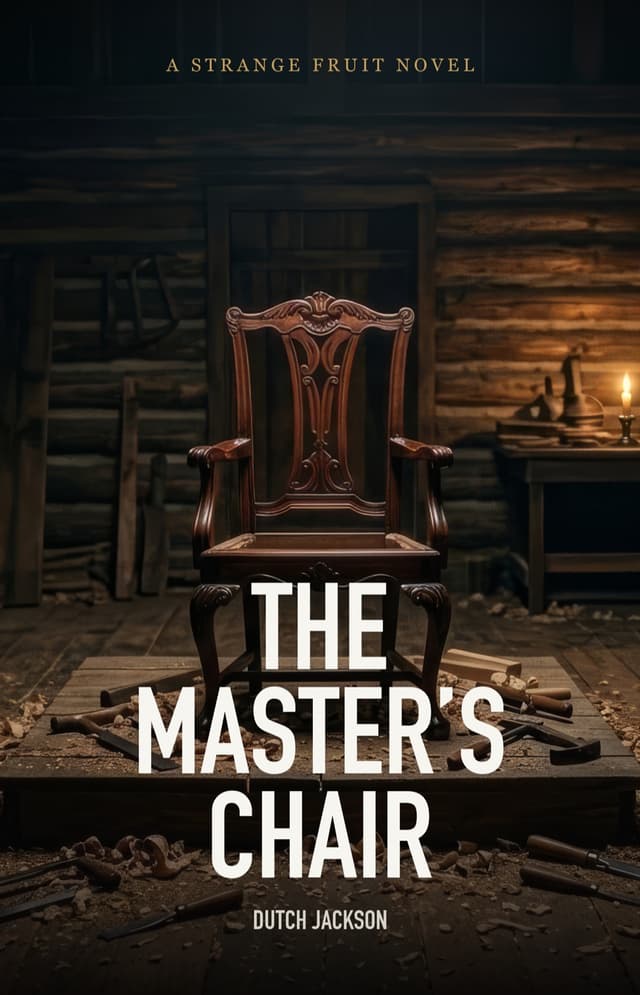
One real example, start to finish: a Strange Fruit story, Master's Chair — from the novel to the finished episode.
- 01Book
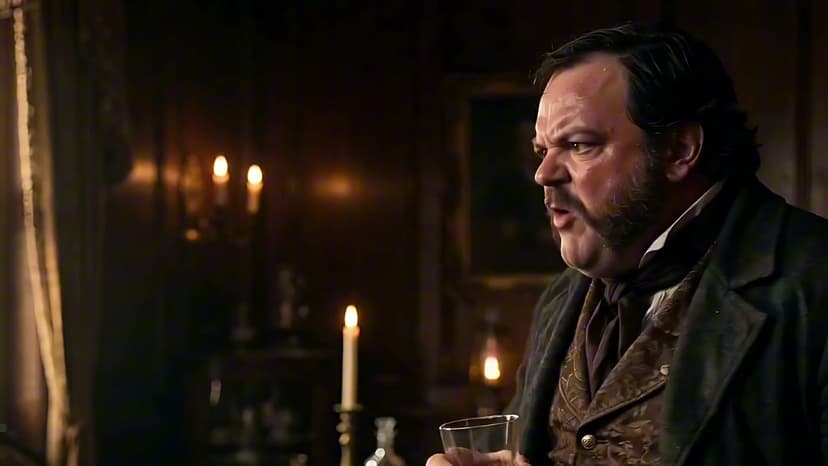
- 02Character
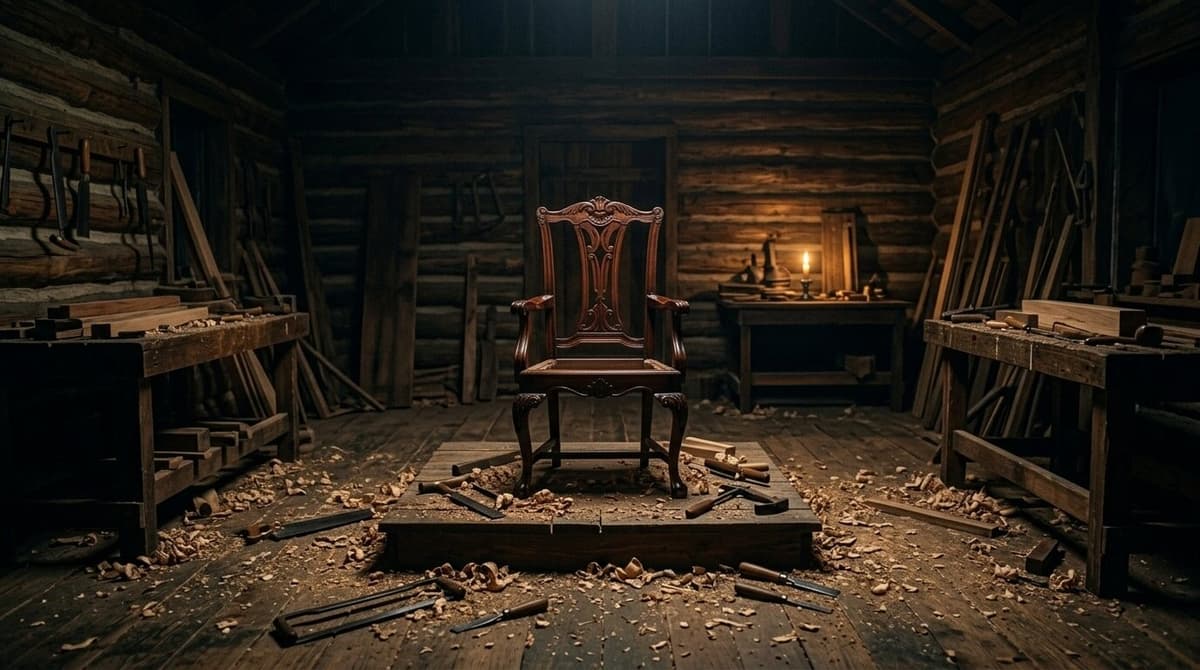
- 03Scene
- 04Shot
- 05Motion → Film
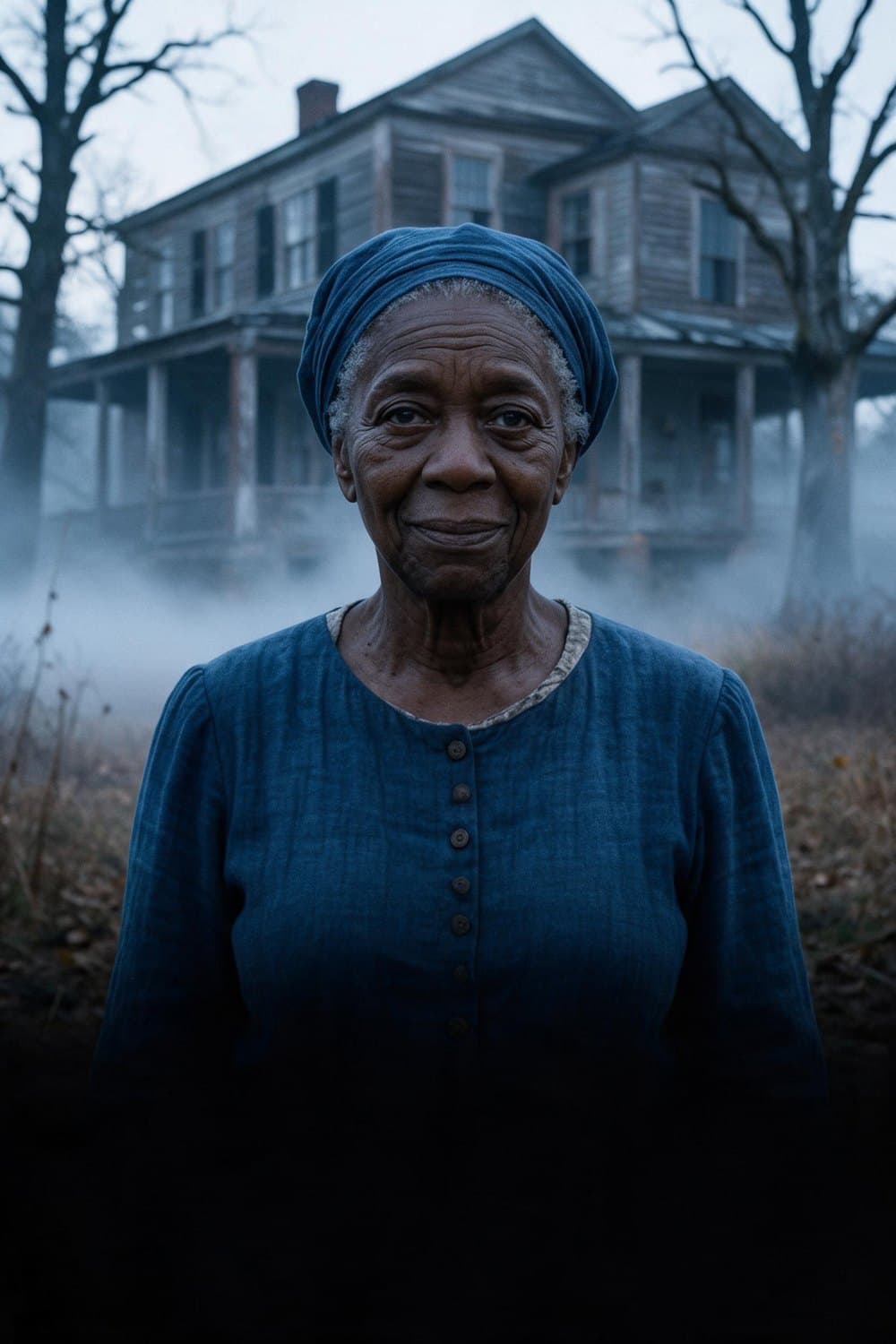 Play
Play
Every frame above is real — from the Strange Fruit episode and novel Master's Chair, written, directed and finished by Dutch Jackson with the workflow taught in Solo Director. Nothing here is a mock-up.
Proof of concept · Strange Fruit
I didn't just write the story.
I built the world.
I created Strange Fruit, a Black supernatural horror anthology. Episodes from the series have also been developed into novels, e-books and audiobooks — the same stories living as books and as cinematic worlds.
The same principles I use to turn stories into cinematic Strange Fruit episodes are the principles I teach inside Solo Director.
This isn't about making random AI images inspired by your book. It's about learning how to translate a written story into intentional cinematic storytelling.
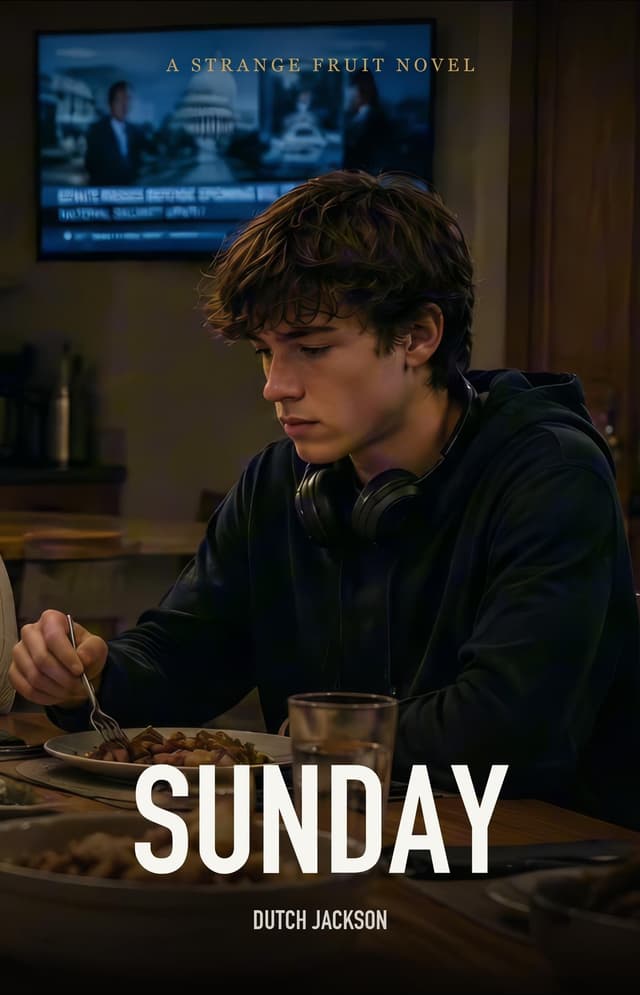
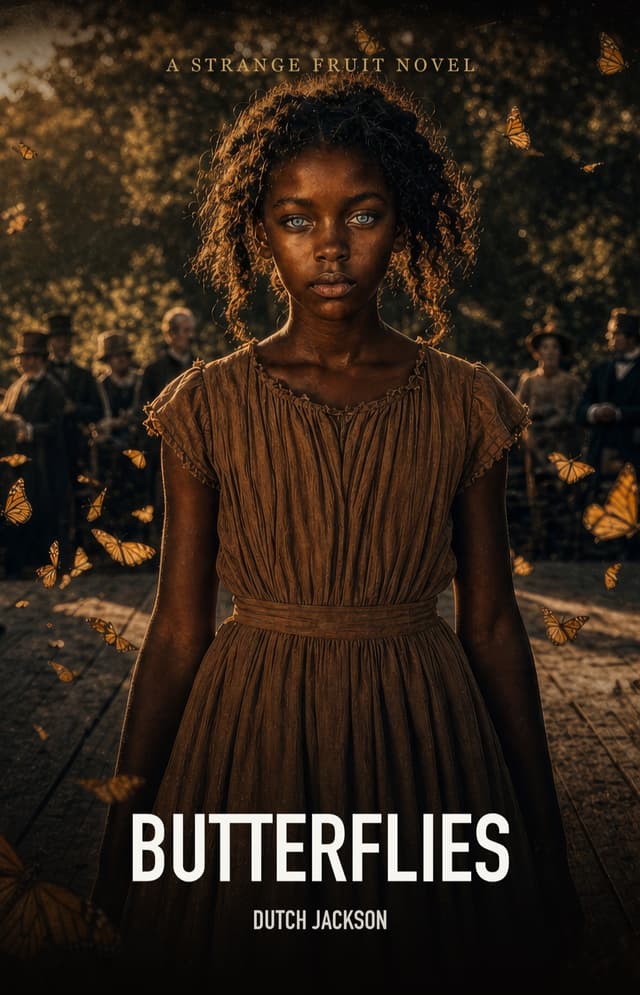
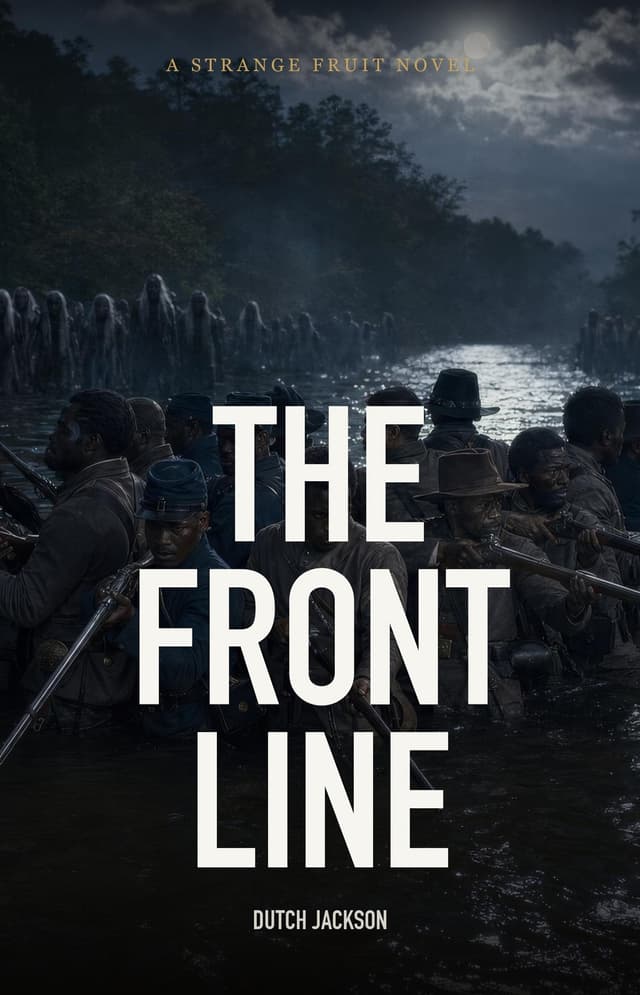
The written story — four Strange Fruit novels
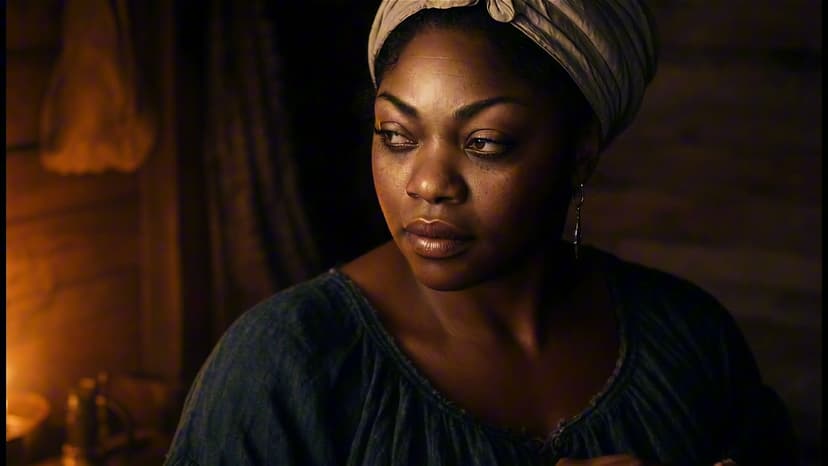
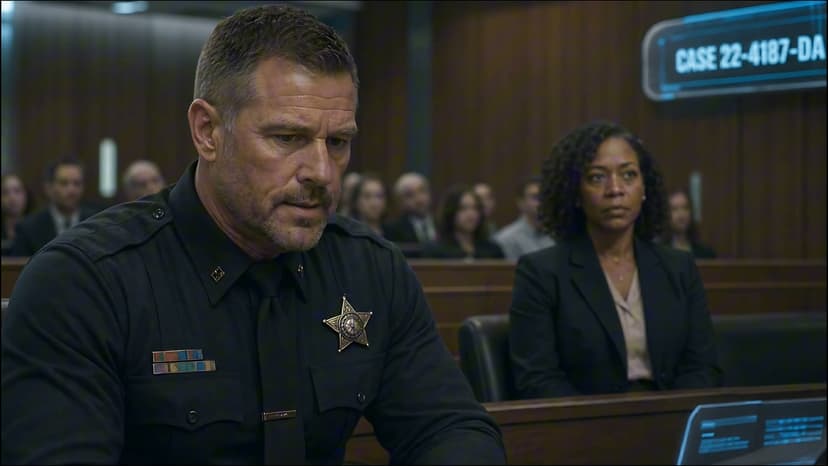
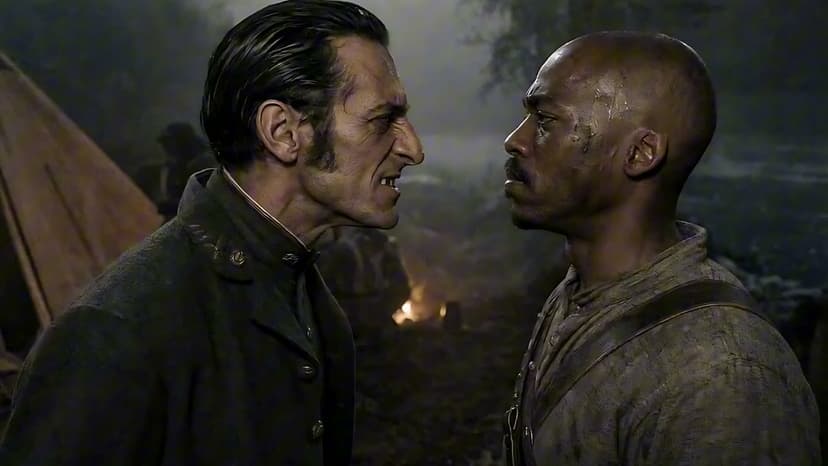
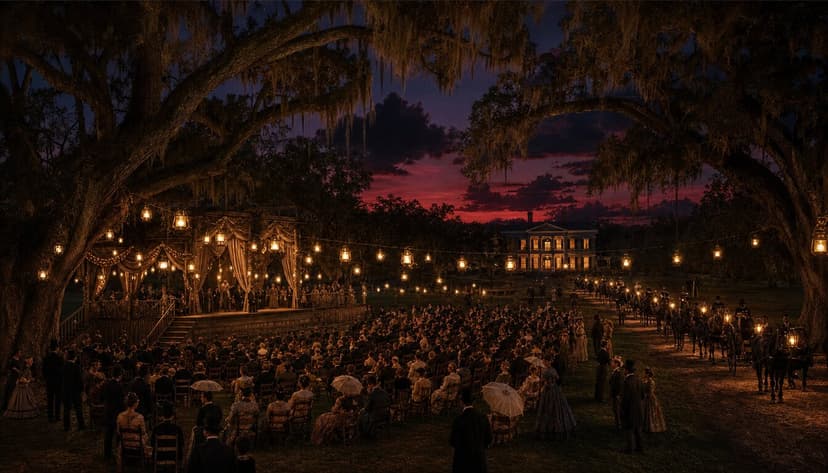
The characters → the world → the cinematic version
Imagine
What if you could
finally see them?
That character you've been describing for 300 pages.The one you've seen perfectly in your imagination.Imagine seeing them walk into frame.Imagine hearing their dialogue.Imagine seeing the city you created.
The house.The battlefield.The spaceship.The monster.The romance.The final confrontation.
This isn't about replacing the reader's imagination. It's about giving your book a visual doorway.
A book trailer doesn't have to explain your entire story.
It just has to make someone want to read it.
What authors can create
Your book can become
more than a cover.
Cinematic book trailers
30–90 second trailers for launches, your website, Amazon pages where permitted, events and social campaigns.
Character reveals
Introduce major characters visually — the face readers have only imagined.
Scene teasers
Bring memorable moments to life without revealing the entire plot.
Social media clips
Short cinematic videos for TikTok, Instagram Reels, YouTube Shorts, Facebook and other platforms.
World-building content
Show locations, environments, objects, creatures, vehicles or fictional worlds from the story.
Book launch content
A collection of visual promotional assets built around a release.
Series promotion
Consistent visual identities across multiple books — the same characters, the same world, every time.
The Solo Director method for authors
You already have the story.
Now you need the production system.
The same eight-step workflow from the course, aimed at one outcome: a finished trailer for your book.
- 01
Choose the moment
Identify the section of the book that best sells the tone, world, or conflict.
- 02
Adapt the story
Turn that material into a short cinematic script.
- 03
Direct the shots
Translate the script into an intentional Director's Shot List — the source of truth for everything that follows.
- 04
Build the world
Create characters, wardrobe, environments, locations, props and visual continuity.
- 05
Create the motion board
Plan the frames, camera movement, performance, dialogue, sound and generation instructions.
- 06
Generate the shots
Use AI image and video models to create the visual material — intentionally, shot by shot.
- 07
Edit the trailer
Build pacing, tension, dialogue, sound effects, titles and music.
- 08
Release the trailer
Export a finished cinematic promotional asset for the book.
You don't need to become a filmmaker first.
Solo Director gives you the roadmap.
Two ways to bring your book to screen
Choose how you want to create.
Option 1 · I want to create it myself
Solo Director
The complete AI filmmaking workflow
Learn the system and build your own book trailers — for this book, the next one, and every character reveal in between.
- 8 modules · 49 lessons · over 3 hours
- Real production demonstrations, not slides
- Story → screenplay → shot list → motion board → generate → edit → finish
- Character and world consistency across every shot
- Editing, sound and music for a finished piece
- Downloadable resources and templates inside the lessons
- Lifetime access
$197one-time
Pay once. Save $28 vs. the plan.
Secure checkout · card, Apple Pay, Klarna
Option 2 · Make my book trailer for me
Cinematic book trailer production
By Dutch Jackson
For authors who want the result without learning the entire production workflow. You provide the book and the creative direction. I handle the cinematic adaptation and AI production.
- Story / trailer concept
- Character visualization
- Cinematic shot design
- AI image and video production
- Editing and titles
- Sound design and music direction
- Final trailer delivery
Quoted per project. Every book is different — length, genre, number of characters and locations all change the work. Tell me about yours and you'll get a real number back, not a package price.
Get a book trailer quoteNo obligation · you'll hear back from Dutch personally
Book trailer quote
Tell me about
your book.
A few details so I can scope it properly. The more you can tell me about what readers should feel, the closer the first concept will be.
Who this is for
Built for storytellers.
Every genre has its own visual language — a romance shouldn't look like a horror trailer, and it won't. The workflow adapts; the look is yours.
- Independent authors
- Self-published authors
- Novelists
- Horror writers
- Romance writers
- Fantasy authors
- Science-fiction authors
- Thriller writers
- Children's and YA authors, where the material suits it
- Publishing professionals
- Authors preparing a book launch
- Writers building a social-media audience
"I'm not technical"
You don't have to be
an AI expert.
Solo Director isn't designed around memorizing every AI platform. It's designed around a filmmaking process.
AI models will continue changing. The directing principles don't. You'll learn how to think about:
- Story
- Character
- Camera
- Composition
- Continuity
- Performance
- Motion
- Editing
- Sound
- Music
Then apply those principles using modern AI tools — the ones demonstrated in the course today, and the ones that replace them next year.
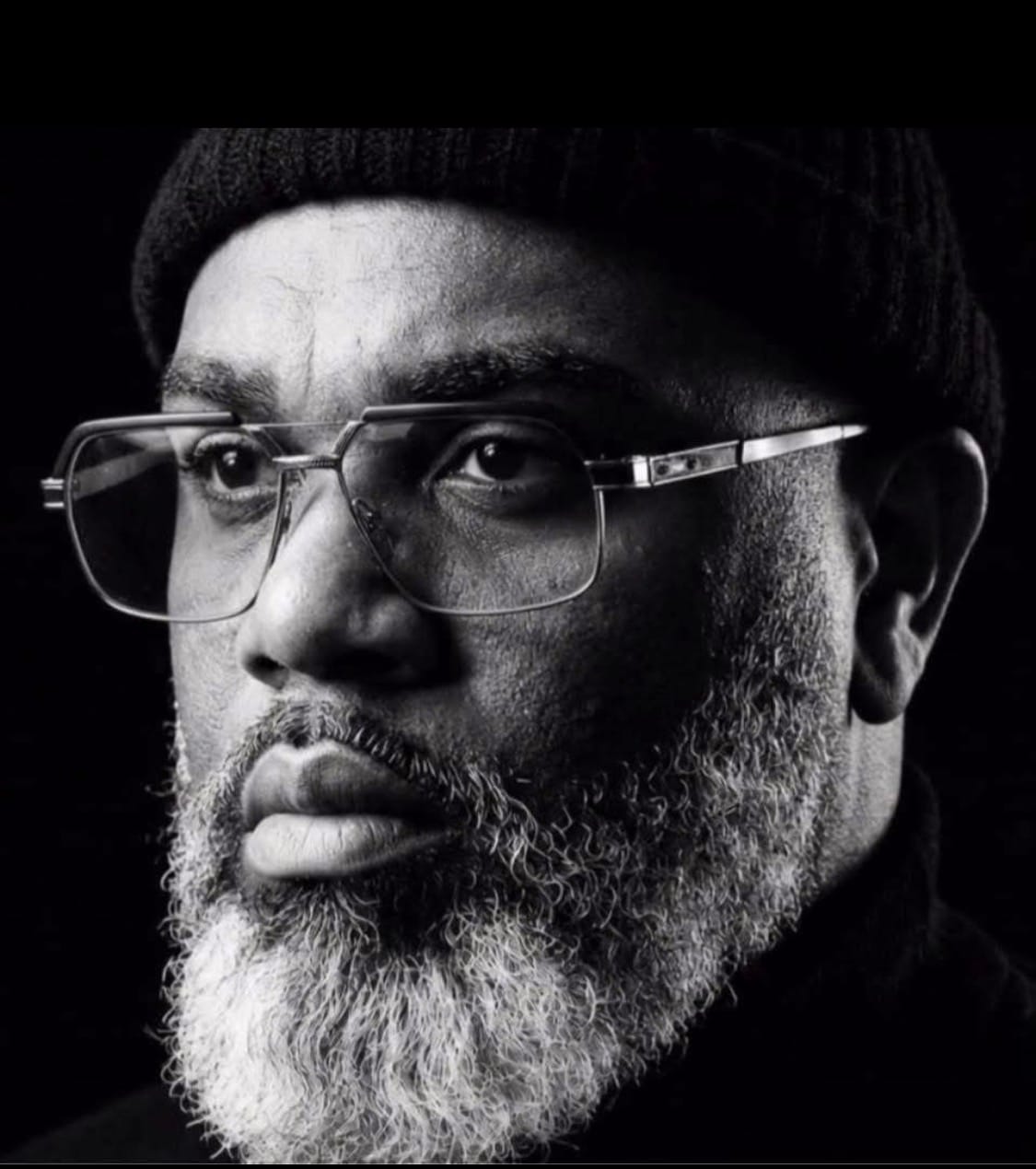
Your instructor
Your instructor
actually makes films.
15+ years across video production, editing, cinematography, drone work, music production and visual storytelling.
Creator of Strange Fruit — a Black supernatural horror anthology that lives as films, novels, e-books and audiobooks. AI filmmaker and commercial creator.
What makes a book trailer work isn't the AI model. It's the combination behind the camera:
Traditional production+AI filmmaking+Storytelling+Music+Editing
Questions from authors
Before you decide.
I already wrote my book. Do I need to write another screenplay?
Your book is the source material — you're ahead of everyone who starts from nothing. But a trailer still needs to be adapted into a short visual script: which moment, which characters, what the audience sees and hears in 30–90 seconds. The course walks through exactly that adaptation.
I've never edited video before. Can I do this?
The course includes a full editing module — rough cut, reviewing the assembly, tightening pacing, titles, choosing and laying music — demonstrated on a real film. You'll need an editing app of your choice; the process is taught from the first assembly onward, not assumed.
Do I need filmmaking experience?
No professional filmmaking background is required to begin. The workflow starts with the story and introduces camera, shot design and continuity as you go. Some familiarity with basic AI tools helps.
Does the course include the AI tools?
No. Third-party AI platforms and their generation costs are separate. There is a lesson on starting on a budget — you don't need a stack of subscriptions to make your first trailer.
Can I make more than one trailer?
Yes. Once the workflow is understood, it applies to different books, scenes, characters, campaigns and future projects. That's the point of learning the system instead of buying one video.
What if I don't want to learn AI filmmaking?
That's exactly why the done-for-you option exists. Request a quote and Dutch will handle the adaptation and production.
Can you make the trailer for me?
Yes. Send the details through the quote form — book, genre, what readers should feel, timing — and you'll get a personal reply with a real number for your project.
Is this only for horror authors?
Absolutely not. Strange Fruit is used as the example because it demonstrates the full workflow with real, finished work. The principles — adapting a moment, building consistent characters, directing shots, editing to a feeling — apply to romance, fantasy, sci-fi, thrillers, literary fiction and more, each with its own visual style.
Your readers have imagined your world.
Now let them see a glimpse of it.
You already wrote the story.
You already created the characters.
You already built the world.
Now decide how you want to bring it to screen.
You wrote the story.
Now put it on screen.